Planning your luxury safari is more than fine lodges and pools that overlook vast plains. It is a mix of comfort and magic animal encounters. You need perfect timing, the best place, fine guides, and small touches that draw close. This guide shows secret tips that change a simple trip into a memorable luxury safari, revealing Luxury Safari Secrets.
Contents
- 1 What Makes a Safari “Luxury”?
- 2 Choosing the Best Country for Your Luxury Safari
- 3 When to Travel: The Best Time for Wildlife
- 4 How to Pick the Right Luxury Camp or Lodge
- 5 Crafting an Itinerary for the Best Animal Views
- 6 Working with Top Guides: Your Hidden Advantage
- 7 Insider Game‑Drive Tips for Better Views
- 8 Getting Ready and Packing for a Luxury Safari
- 9 Responsible Luxury: Giving Back to Wildlife and People
- 10 Frequently Asked Questions About Luxury Safaris
- 11 Turn Your Dream Luxury Safari Into Reality
What Makes a Safari “Luxury”?
Luxury in the wild is not just fine sheets and bubbly drinks—even if these feel lovely. The top luxury is having access to wild lands, skilled guides, and close wildlife scenes.
Key points that build a true luxury safari:
- Top spots located in or near the best parks
- Expert guides and trackers, often with private cars
- Custom plans made just for you
- Private camps or lodges with few guests
- Small touches: warm bottles on cool drives, gourmet food, and smooth travel
When you use these main parts, you meet the animals closer, stay longer at each view, and enjoy a calm trip instead of moving fast between busy spots.
Choosing the Best Country for Your Luxury Safari
Different lands offer different wild experiences. One of the biggest secrets to a successful luxury safari is matching your dreams with the right country.
Southern Africa Highlights
South Africa
- Great for new visitors, families, and lovers of food and wine
- Fine luxury lodges in private parks like Sabi Sand, Timbavati, and Madikwe
- High chances to see the Big Five in a short time
- Easy trips with Cape Town and wine areas for extras
Botswana
- Very exclusive with a low-impact style: few camps, high quality
- Known for the Okavango Delta and water safaris
- Best for those who seek quiet and space
- Great to see big cats and elephants
Understanding Luxury Safari Secrets can elevate your experience and ensure unforgettable wildlife encounters.
Zambia & Zimbabwe
- Fewer crowds and an “old‑school” safari feel
- Known for walking safaris with strong guide traditions
- Ideal for experienced travelers who want deep encounters and fewer vehicles
East Africa Highlights
Kenya
- Classic safari charm with Maasai culture and wide open plains
- Masai Mara for big cats and the large seasonal migration
- A mix of luxury tented camps and small lodges
- Ideal for a mix of safari and beach time on the Indian Ocean
Tanzania
- Serengeti and Ngorongoro Crater for vast views and active predators
- Northern parks for popular spots, southern parks for fewer visitors
- Best for longer trips with a focus on migration events
Tip from a local: If you want true privacy, pick private areas in Kenya or private reserves in South Africa. They often allow off‑road and night drives, which greatly improve animal encounters.
When to Travel: The Best Time for Wildlife
For an unforgettable luxury safari, timing may matter more than any other choice.
Dry Season vs. Green Season
Dry season (often May–October)
- Sparse plants, animals stay by water
- Easier big animal views and less biting insects
- High peak prices and busy days
Green season (often November–April)
- Rich, green scenes, bold skies, and new animal births
- Good for bird watching, with fewer cars and better cost
- Animals may spread out, but views can feel more close and true
Special Seasons
- Great Migration (Kenya & Tanzania) – Herds move all year; choose a time when they are near, not just stick to “July–October.”
- Calving Season (Ndutu/Serengeti)—Usually January–March, many young animals mean busy predator scenes.
- Okavango Delta Flood (Botswana)—Floods come May–July, making boat and mokoro trips extra special.
Tip from a local: For top luxury stays without the highest prices, try shoulder months (like late May or early November). They often mix stunning views with fewer crowds.
How to Pick the Right Luxury Camp or Lodge
A camp’s style sets the whole feel of your trip. Ask: Do you like a feel of canvas drama or a build of modern villas?
Main Points to Check
Place in the wild
- In-park vs. near park gates
- How far from top animal spots
- Access to private areas
Guide quality
- Good training and clear standards
- Availability of private guides or cars
- The ratio of guests to guides
Style and size
- Small tented camps (6–12 tents) vs. larger lodges
- Family-friendly or more for adults
- Levels of privacy—private plunge pools or private villas
Activities on site
- Drives in day and dark
- Walking safaris
- Boat or mokoro trips (Delta and rivers)
- Visits with local people and conservation work
Giving back to nature and community
- Camps that run in private areas that help protect land
- Strong ties with locals through jobs and training
- Clear projects for habitat care and animal support
- Simple, low-impact design like solar power and careful water use
For more details on parks and wildlife care, check the African Wildlife Foundation at African Wildlife Foundation.
Crafting an Itinerary for the Best Animal Views
A great place to stay is one part of your plan. A smart plan brings variety, more animals to see, and fewer long transfers.
A Three‑Stop Plan
For 7–10 nights, try this plan:
High animal-density area
- For example: Sabi Sand (South Africa) or Masai Mara areas (Kenya)
- Focus on big animals and predators
Different type of land
- For example: Okavango Delta (water trips) or Mana Pools (near rivers)
- Many photos, bird-watching, and different actions
Rest and finish
- For example: a beach (Zanzibar, Seychelles, Mozambique), Cape Town, or a wine area
- A time to reflect, relax, and skip “safari tiredness”
How Long to Stay
- At least 3 nights per camp
- Gives room for weather and animal moves
- 4 or more nights in more complex places (like the Delta)
- You learn your guide and see animal patterns
Tip from a local: Do not try to visit too many parks. Fewer stops with longer stays give deeper views, calm drives, and better photo chances.
Working with Top Guides: Your Hidden Advantage
On a luxury safari, your guide and tracker can make your trip special. This is often the most ignored part by new travelers.
What Makes a Great Guide?
- Knows animal habits well and tells good stories
- Reads tracks, sounds, and small signs
- Waits at one spot rather than hurrying to the next
- Listens to your wishes (for photos, birds, local life, etc.)
- Follows strong rules to cause little stress for animals
Many top private parks also have trackers who sit up front, scanning the land for fresh signs. The teamwork between the guide and the tracker often creates those unforgettable moments—like leopard cubs hidden in a small valley or wild dogs chasing prey.
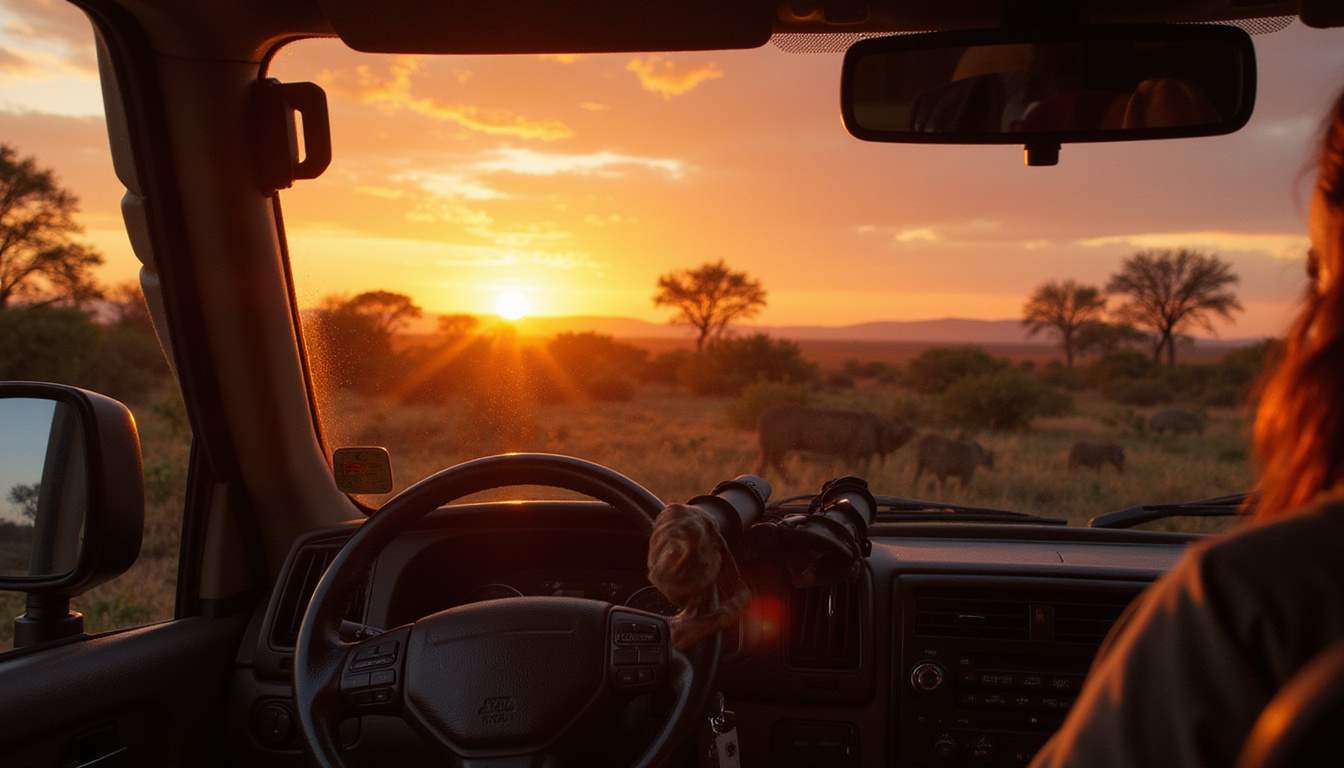
Tip from a local: If you can spend a bit more, book part of your trip with a private car and guide. This gives you full control over timing, the pace, and the places you see, from early morning until night.
Insider Game‑Drive Tips for Better Views
You do not have to be a ranger to think like one. Some simple habits can bring you much better animal encounters.
Be ready for each early morning drive.
Animals move most at dawn and dusk. An extra half hour of sleep can mean missing a lion or a leopard.Stay still and wait when you see animals.
Loud noise, standing up, or moving a lot can scare them. Staying calm helps you see natural behavior.Keep your pace slow.
Staying at one spot for a while can show more details than rushing from one stop to another.Tell your guide your interests.
Whether you like wild dogs, birds of prey, or elephants, clear words help your guide plan the drive.Trust the plan.
You will not see every animal in one day. Animal moves are not timed; your patience over days brings rewards.
Getting Ready and Packing for a Luxury Safari
Even top luxury camps sit deep in the wild. A little prep keeps you cozy and safe.
Must-Have Items
- Clothes in soft, earth tones (skip bright whites or neon)
- Light layers for cool mornings and warm afternoons
- A good hat, sunglass, and high SPF sunscreen
- Binoculars (one for each person is best)
- Camera gear with extra batteries and memory cards
- Bug spray and any needed medicine
- Soft luggage (bush flights have strict size and weight limits)
Tip from a local: Many top camps run laundry service so you can pack light. Check with your camp and plan your clothes.
Responsible Luxury: Giving Back to Wildlife and People
The best luxury safari is one that supports the land and the people who live there.
How to Choose a Responsible Operator
Look for:
- Camps or lodges in private areas that help pay for land care
- Clear work with local communities through jobs and training
- Open projects that fight poaching and support habitat care
- Designs that use less power, careful water use, and minimal building
By picking operators who care for nature and local life, your trip helps keep wild lands free and supports local families.
Frequently Asked Questions About Luxury Safaris
1. How much does a luxury safari cost?
A luxury African safari typically runs from $800 to $2,500+ per person each night. The cost varies with the country, season, and level of privacy. Private areas in Botswana or top lodges in Sabi Sand or Masai Mara usually fall on the high side, especially at peak times. Fewer crowded parks and shoulder seasons can give the same quality for a better price.
2. What is the difference between a luxury safari lodge and a luxury tented camp?
Both lodges and tented camps can be first-rate.
• A lodge is a permanent building with larger rooms and hotel-like ease.
• A tented camp uses high-quality canvas tents with real beds and baths. They bring you close to nature, letting you hear the wild at night. The choice depends on what feels best to you.
3. Is a luxury African safari safe?
When you pick a trusted operator, a luxury safari is very safe. Camps follow strict safety rules and have trained staff. Guides who know animal moves well lead game drives. By following camp rules—such as not walking alone in unfenced zones after dark—you stay safe.
Turn Your Dream Luxury Safari Into Reality
A luxury safari is not just a vacation; it is a rare chance to see wild nature close up in exceptional comfort. With the right place, time, expert guide, and caring operator, your animal encounters can be as unforgettable as the land itself.
Do not put the trip together alone and guess the best time. Work with a specialist who studies private parks, animal moves, and the small clues between lodges. Share what matters to you—whether big cats, photo moments, walking trips, or pure quiet—and let them plan an itinerary that fits both luxury and deep wildlife moments.
If you’re ready to make your dream a real luxury safari, start setting dates and picking places now—top camps often fill a year ahead. Book your spot, and soon you’ll watch the sunrise over the savanna, warm drink in hand, with life all around you.
Book a complimentary travel planning consultation before your next trip. We recommend that you talk to us 3-9 months before your trip to discover your preferences, wants, needs, and desires for a luxury vacation. The easiest way is to call +1 702 200 3542 and speak to our assistant to schedule an appointment.