Owning a private island feels like a vivid daydream: blue water meets soft sand, and you are alone with nature. Yet, an island is more than a pretty picture. It is a real asset with costs, laws, and the chance to earn money. When you plan it like a business and not a game, an island can improve your life and pay off as an investment. This guide covers essential Private Island Hacks to maximize your experience.
Welcome to the world of Private Island Hacks, where we explore how to choose wisely, skip bad buys, care for your island, and get income from it.
This guide shows you how to choose wisely, skip bad buys, care for your island, and get income from it.
1. Is a private island really for you?
Before you view listings, decide your true goal:
- A quiet retreat for family and friends
- A high-end, eco-friendly, or adventure resort
- A long-term land bank or investment
- A mix of private escape and rental space
Your choice guides every step: where to buy, how much to spend, what rules to follow, and how to plan for the future.
Think of it this way: owning an island is like running a small village, not just a beach house. You must handle access, water, power, waste, and often local jobs.
2. Where to buy: choosing the right private island location
Location shapes price, risk, and income more than anything else. See the five main points:
2.1 Political and legal stability
Choose places with:
- Steady government and low political risk
- Clear rights for foreign buyers
- Open land record systems
Some regions known for islands are:
- The Caribbean (Bahamas, Belize, St. Vincent & the Grenadines)
- Central America (Panama, Nicaragua’s Corn Islands area in some zones)
- North America (coastal Canada, Maine, Pacific Northwest)
- Europe (Scandinavian islands, parts of Greece, Croatia)
- Southeast Asia (Thailand, Philippines, Indonesia – often with leasehold or set rules)
Always check:
- If foreigners can own the island outright
- Any limits on the coast or shoreline
- Rules on nature protection and building limits
World Bank and local land registries help to learn more on the rules.
2.2 Access and travel logistics
An island that takes five hours by boat from the nearest airport may be too remote or hard to rent.
Look at:
- The distance to main airports, both local and international
- How guests must journey: boat, seaplane, or helicopter
- Safe travel in all seasons (storms, rough seas)
- Night travel (use of lights and safe flight rules)
If you aim for profit, short travel times from major hubs work best. If a guest must travel more than 3–4 hours, fewer people may come.
2.3 Natural risk: climate, storms, and sea-level rise
Get clear on:
- How often hurricanes or typhoons hit
- When rain comes, the wind trends
- The risk of erosion (sandy coasts vs rocky shores)
- Long-term changes in sea-levels
Islands set high with safe inlets and mixed shores (rock and sand) tend to cope better than flat, low sand isles.
3. How much does a private island really cost?
The price tag is only a start. You must add up:
3.1 Purchase price ranges
Some global price ideas:
- Small, off-grid islets (without buildings): about $200,000–$500,000 in less busy spots
- Mid-range islands with some structures: $1–5 million
- Top-class, built-out islands in hot spots: $5–50+ million
Price per acre is not enough without knowing the infrastructure and legal facts.
3.2 Other buying costs
Set aside an extra 10–20% over the sale price:
- Lawyer fees and checks
- Land surveys and title insurance (if it exists)
- Transfer taxes and official duties
- Costs to set up a local company or hire local help
- Travel and inspection fees
3.3 Ongoing annual costs
Without careful budgeting, your island may drain your funds.
Common yearly costs include:
- Salaries for staff like caretakers, security, and boat captains
- Fuel and upkeep for power systems (solar panels, generators)
- Property taxes or land fees
- Insurance (where available and cost-friendly)
- Upkeep for docks, boats, and tools
- Permits, rule checks, and inspections
For small, simple islands, these costs start around $20,000–$50,000 a year. For larger or resort ideas, costs can reach six figures per year.
4. Due diligence: how to avoid buying a nightmare
View your island purchase like a commercial deal, not a whim.
4.1 Title, ownership, and rights
Get a trusted local lawyer (not the seller’s) to check:
- That the title is clear and there are no conflicts
- All island boundaries are listed and agreed upon
- There are no extra claims from people or local groups
- If the beach or foreshore is public by law
- Any rights given away (passage, fishing, etc.)
Do not move forward without:
- Official land records
- A new, independent survey
- A written legal opinion on title and rules for foreign buyers
4.2 Zoning, building, and environmental rules
Before you sign, get in writing what you can build:
- The types of buildings allowed and how many
- Height or footprint limits
- Distance from the shore
- Protections for mangroves, coral reefs, or forests
- Whether you can add docks, platforms, or airstrips
If you plan a small resort but the rules allow only one house, your plan may fall apart quickly.
4.3 Infrastructure reality check
Check:
- Existing buildings for safety and permits
- Water systems like wells, rainwater setups, or desalination
- Power systems like solar panels, battery age, and backup generators
- Wastewater systems, be it septic tanks or treatment units
- Access points such as docks, piers, or helipads
Ask independent engineers to review how long these systems will last and the cost to replace them.
5. Building and maintaining a private island
Once you own the island, the real work starts.
5.1 Infrastructure strategy: off-grid but reliable
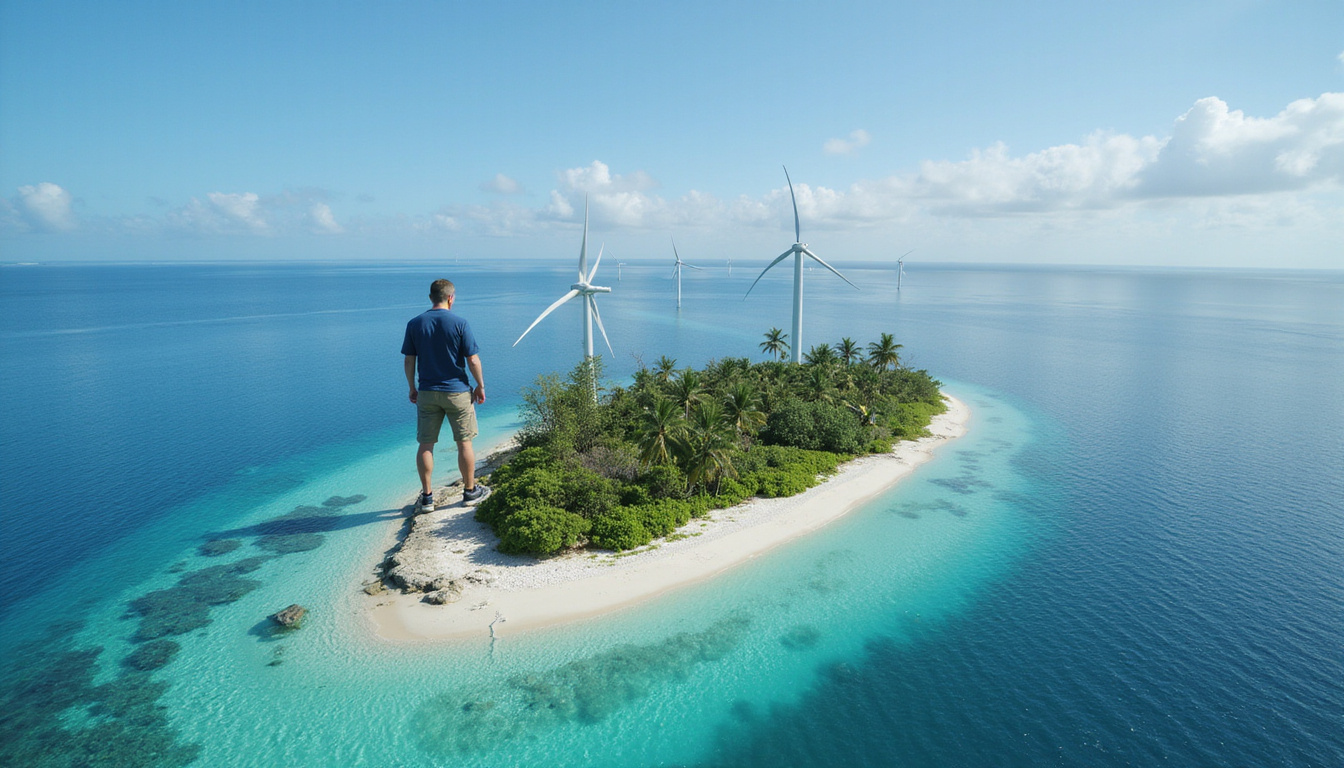
Most islands run off-grid or partly so. A balanced system combines:
- Solar panels with batteries that store power well
- Backup diesel or petrol generators when clouds hide the sun
- Rainwater capture along with filtered well water or desalination
- Sound wastewater treatment to keep nature safe
Make sure each key system has a backup, especially if guests visit.
5.2 Staffing and security
Even if you are there only some seasons, the island must be looked after.
Common roles include:
- An island manager or caretaker pair
- A person who handles maintenance and boats
- Housekeepers and groundskeepers
- Security staff who may share duties with caretakers
In remote areas, arranging staff housing and care is part of the job and may affect costs and local goodwill.
5.3 Routine upkeep to avoid disasters
Sun, salt, and humidity can wear things out fast. Stay on top of:
- Regular paint jobs and rust protection
- Checking roofs before the rainy or stormy season
- Inspecting docks and moorings
- Removing excess vegetation to cut fire danger
- Plans to secure windows, boats, and gear during storms
Plan ahead so you know when to renew systems and avoid shock costs later.
6. Turning a private island into a profitable asset
In many cases, owners recoup costs—or even earn profit—by opening their island to select guests or partners.
6.1 Business models for your private island
A grand resort is not needed to earn income. Consider these paths:
Ultra-luxury complete island rental
- Rent the entire island to families, celebrities, or retreat groups
- High rates per night, lower occupancy, but strong privacy
Boutique eco-resort
- Build 4–10 villas or tents
- Focus on sustainability and unique experiences like diving or wellness
- Attract high-end travelers who care for nature
Event and retreat venue
- Rent the island for weddings, corporate sessions, or wellness events
- Needs careful logistics and high service levels
Fractional ownership or club model
- A few co-owners share scheduled island time
- Costs are shared and a professional may manage the island
Long-term land bank with little development
- Build simple facilities
- Focus on long-term value and occasional private use
Choose a model that fits your money, risk skills, time to work on the project, and local rules.
6.2 Key points to boost profit
To make your island investment pay off, keep these in mind:
- Keep access simple: short, smooth travel can drive demand
- Build a clear brand: decide if your style is ultra-luxury, adventurous, wellness-driven, or eco-aware
- Create unique guest experiences: think diving, private reefs, local food, or cultural ties
- Work with seasons: adjust prices and ads in high, shoulder, and low times
- Use both online travel channels and direct booking links, public news, and ties with travel experts
6.3 Legal and tax structure
Meet with tax and legal experts who work across borders to:
- Choose how to hold your asset (local company, offshore plan, or personal name)
- Learn the VAT or sales tax on stays and services
- Plan for inheritance or future sale taxes
- Follow all local job rules with clear work contracts
A mistake here may wipe out years of gain.
7. Caring for the environment is a must
The beauty of an island comes from its pure nature. If you hurt it, you hurt both your home and your asset.
Best methods include:
- Use building methods that cause little harm and use local materials when you can
- Guard mangroves, dunes, and coral reefs because they act as natural shields
- Set up strong waste control to keep out trash and plastics
- Use solar and low-energy methods to cut down on fuel use
- Back local nature care projects and community work
A safe environment is a strong plus for the island’s look and value.
8. Exit strategy: how you’ll eventually sell your private island
Even paradise may change. Plan your exit from the start:
- Know your future buyers: another private owner, a resort brand, an investment group, or a club model
- Make value-boosting fixes: clear permits, new infrastructure, and steady income add value
- Keep good records: hold onto all titles, permits, rule confirmations, and financial reports
- Plan your timing: watch travel trends, interest rates, and regional calm
A well-kept island with proven income and clear records can earn more than a raw piece of land.
9. Quick checklist for buying a private island
Use this checklist before you decide:
- [ ] Set your goal (retreat, resort, investment, mix)
- [ ] Pick regions with clear rules for foreigners
- [ ] Hire a trusted local lawyer and survey expert
- [ ] Check that the title, boundaries, and rights are clear
- [ ] Understand zoning, building, and nature rules
- [ ] Look over or plan for infrastructure (power, water, waste, docks)
- [ ] Include full costs (sale price plus 10–20% extra and yearly bills)
- [ ] Form a real plan for income or cost reduction
- [ ] Create a clear plan for ownership and tax
- [ ] Think about long-run risks (storms, erosion, political change)
- [ ] Map out your exit plan
FAQ: Buying, owning, and profiting from a private island
Q1: How much does it cost to own a private island long-term?
Beyond the purchase cost, plan on spending 2–5% of the island’s value each year on upkeep, staff, power, and repairs. Remote or fully off-grid islands may run even higher due to extra travel and fuel needs.
Q2: Can foreigners buy a private island in popular tropical regions?
Many countries allow it, but often with rules. In some places, you own the island outright. In others, you may get a long lease or need a local company. Always work with a local lawyer to know the rules before you sign.
Q3: Is a private island a good investment or just a luxury spend?
It can be both. As a lifestyle asset, it is a bold, unique choice. As an investment, it works best if you buy in a stable area; cost carefully; build wisely; and bring in income with rentals, a boutique resort, or shared ownership.
Owning a private island lets you change the borders of your life. When you plan it well, it does not have to be a lonely, expensive task. With careful checks, smart planning, and a real business model, it can be both a peaceful retreat and a solid wealth asset.
If you are ready to move from dream to plan, start by setting clear goals, talking to legal and tax experts in your chosen region, and looking at specific island deals with care. Paradise is within reach when you treat it as both a passion and a project.
Planning a vacation to check out an available private island? Book a complimentary travel planning consultation before your next trip. We recommend that you talk to us 3-9 months before your trip to discover your preferences, wants, needs, and desires for a luxury vacation. The easiest way is to call +1 702 200 3542 and speak to our assistant to schedule an appointment.